Centre 1: J-3, Sector-41, Noida
Call us
Write a mail
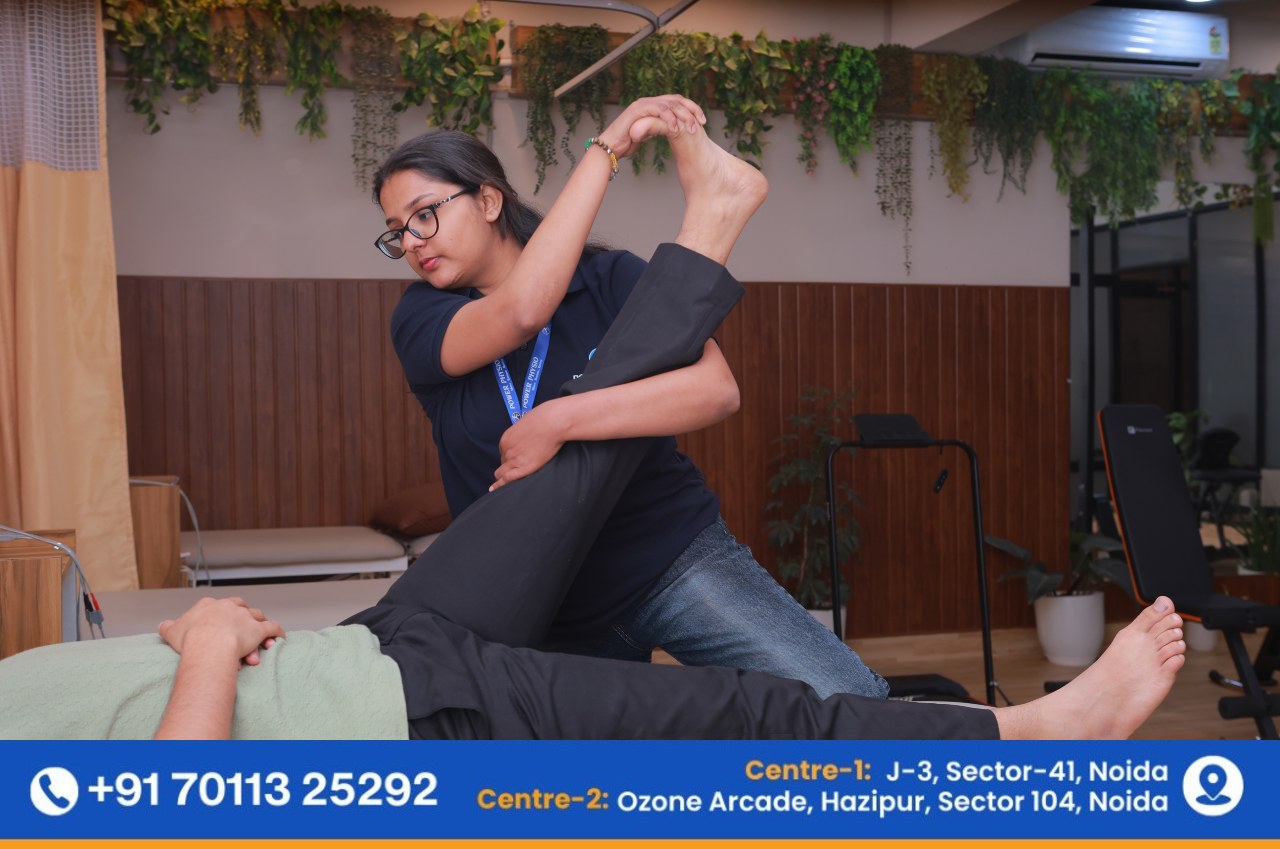
Knee pain is one of those things that sneaks up on you. First, there is a mild ache after climbing stairs. Then it swells after a long walk. Before you know it, you are avoiding activities you used to enjoy without a second thought. For many people in Noida, especially those over 50, this progression eventually leads to a conversation about knee replacement surgery. That’s why you need knee physiotherapy Noida.
Whether you are managing early pain in the knee joint or recovering from a total knee replacement, understanding what is happening and what to do about it makes a real difference. This guide covers both.
The knee is a complex joint. It carries your body weight through every step, turn and stair you take. When the cartilage inside wears down gradually with age, the result is bone rubbing on bone. That is osteoarthritis, and it is the most common reason people seek knee pain physiotherapy in Noida.
Other common causes include:
Each of these has a different treatment path, which is exactly why a proper clinical assessment matters before starting any exercise programme.
This is one of the most common questions we hear at Power Physio Clinic. The honest answer is: sometimes, yes.
For mild to moderate osteoarthritis, ACL injury rehabilitation and meniscus tears, structured knee physiotherapy Noida can significantly reduce pain, restore strength and delay or even eliminate the need for surgery. The key is catching it early and committing to the right programme.
When it comes to meniscus tear treatment at home, a gentle range of motion exercises, icing and rest can manage early symptoms. But without professional guidance, most people either do too little or too much. A physiotherapist bridges that gap with a structured plan that matches where your knee actually is in its healing process.
Strengthening the muscles around the knee, particularly the quadriceps and hamstrings, reduces load on the joint itself. When those muscles are working properly, the knee is under far less stress during daily movement.
Knee replacement surgery replaces the damaged joint surface with a prosthetic implant. The surgery itself takes a couple of hours. What follows is several months of structured rehabilitation, and that is where the real work begins.
Recovery generally follows three phases:
Movement starts within hours of surgery. Simple post-knee replacement exercises like ankle pumps, leg raises and gentle knee bends are introduced almost immediately. The goal at this stage is to prevent blood clots, reduce swelling and begin restoring the range of motion. Walking with a walker or crutches begins in the hospital itself.
This is where knee physiotherapy Noida becomes more focused and progressive. Exercises move from simple leg raises to supported squats and stair practice. Most patients achieve 90 degrees of knee bend by week four. By week eight, many are walking confidently and bending to around 110 degrees. Gait training during this phase ensures you are not building compensatory habits that cause problems elsewhere in the body.
By month three, most patients return to driving and light daily activities. By month six, pain is significantly reduced, and most activities feel manageable. Full recovery, including near-normal strength and flexibility, typically takes up to a year. Patients who stay consistent with their post-knee replacement exercises and home programme throughout this period see the best long-term outcomes.
Swelling is the body’s natural response to injury or surgical trauma, but letting it persist slows recovery. The most effective approaches are:
Swelling that is warm to the touch, worsening or accompanied by fever needs medical attention without delay.
If you have recently had surgery or are planning one, access to quality knee physiotherapy Noida matters more than most people realise. The best results come from clinics that offer phase-specific rehabilitation built around your actual recovery stage, not a generic exercise sheet handed to every patient.
At Power Physio Clinic, we design recovery plans around where you are in your healing journey, your strength baselines and your personal goals. Whether you are managing early pain in knee joint, working through ACL injury rehabilitation or rebuilding after a replacement, the approach is always specific to you.
Knee pain, whether from arthritis, injury or surgery, does not have to define how you move through life. With the right knee physiotherapy Noida, a clear plan and a realistic timeline, most people get back to doing what they love. That is the goal we work toward with every patient who walks through our door.
How long does it take to recover from knee replacement surgery?
Most patients regain functional independence within three months. Full recovery, including strength and full range of motion, takes closer to nine to twelve months with consistent knee physiotherapy Noida and a dedicated home exercise routine.
What are the best exercises for knee arthritis?
Straight leg raises, seated knee extensions, mini squats and stationary cycling are among the most effective. Your physiotherapist will tailor these based on your arthritis severity and current strength levels.
Can physiotherapy avoid knee surgery?
In many cases, yes. For mild to moderate arthritis, ACL injury rehabilitation and ligament injuries, a structured physiotherapy programme can significantly reduce pain and restore function without surgery. The earlier you start, the better the chances.
How to reduce swelling after a knee injury?
Elevate the leg, apply ice regularly, keep gently moving and use compression as advised. Persistent or worsening swelling should be assessed by a physiotherapist or doctor promptly.
Where to find post-operative physiotherapy in Noida Sector 41?
Power Physio Clinic offers structured, phase-wise knee rehabilitation across Noida. Our team works closely with your surgeon to ensure your recovery plan matches your surgical outcome and personal goals.