
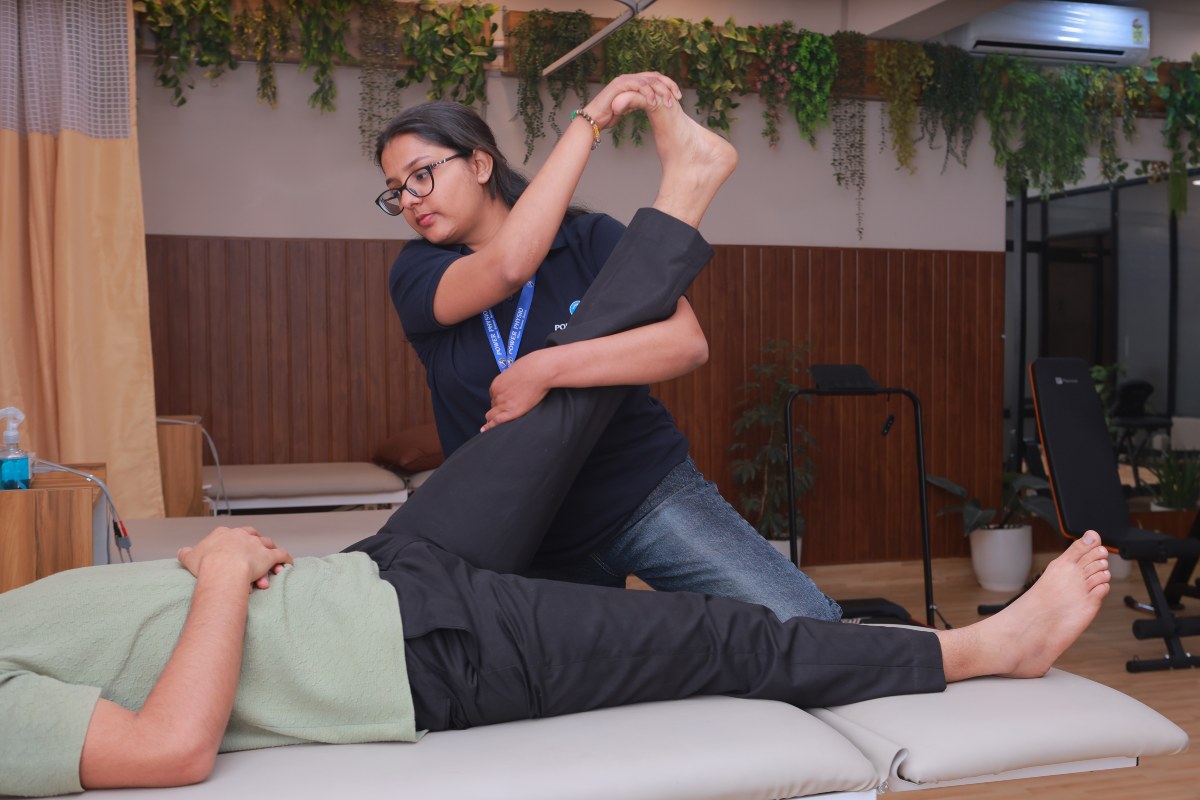
Hip Pain Management
Hip pain is more common than most people realise. It affects people of all ages, from young athletes dealing with overuse injuries to older adults managing arthritis or post-surgical recovery.
What makes hip pain particularly frustrating is how much it limits. Walking, climbing stairs, sitting for long periods, and sleeping on your side all of it becomes difficult when the hip is not functioning as it should.
If you have been searching for a hip pain doctor near me in Noida, Power Physio Clinic offers specialist assessment and personalised physiotherapy that gets to the root of the problem.
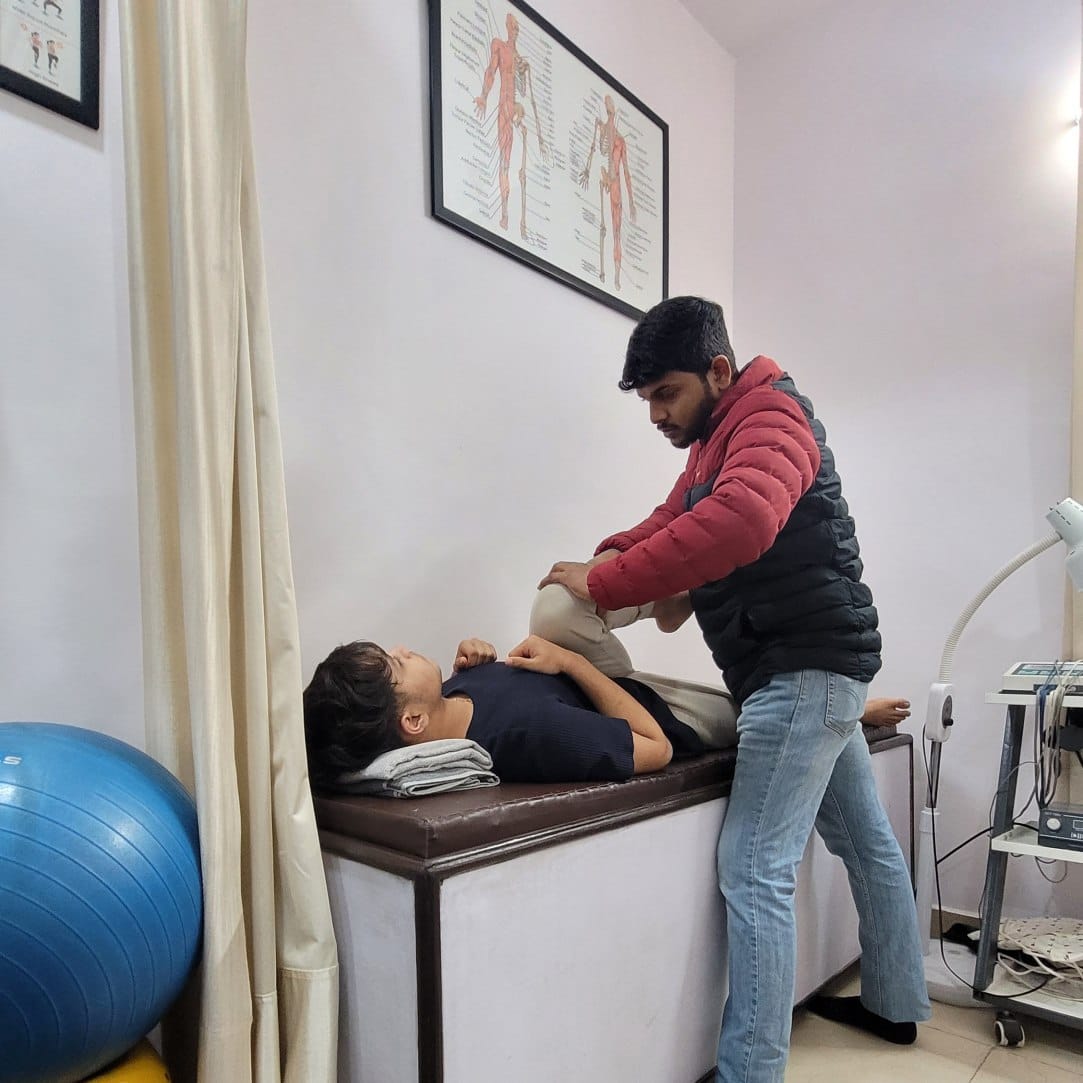
Causes of Hip Pain
Hip pain can stem from various sources, including:
- Muscle Strain or Tendinitis.
- Hip Joint Conditions
- Sacral Dysfunction
- Spinal Issues
What Causes Hip Pain?
Research confirms that hip pain can originate from multiple structures, not just the joint itself. The lower back, pelvis, muscles and nerves around the hip can all contribute to pain felt in this region.
Common causes include:
- Hip osteoarthritis, causing gradual loss of cartilage, stiffness and deep joint pain
- Femoroacetabular impingement (FAI), where abnormal bone shape causes friction in the joint during movement
- Bursitis involves inflammation of the fluid-filled sacs that cushion the hip joint
- Muscle imbalances where tight hip flexors and weak gluteal muscles place excessive load on the joint
- Tendinopathy involving degeneration or irritation of the tendons around the hip
- Labral tears, causing a catching or locking sensation deep in the hip
- Piriformis syndrome, where the piriformis muscle irritates the sciatic nerve and causes hip and buttock pain
- Hip fractures, particularly in older adults with reduced bone density
A 2024 research review confirmed that muscle imbalances around the hip are among the leading contributors to hip-related pain and that physiotherapy-led interventions significantly improve both pain and function.
What Are the Symptoms of Hip Pain?
Hip pain does not always feel the same for everyone. Symptoms can include:
- Deep aching pain in the groin, outer hip or buttock
- Pain that worsens with walking, prolonged sitting or climbing stairs
- Stiffness in the morning or after periods of rest
- A clicking, catching or locking sensation inside the hip joint
- Reduced range of motion, making it difficult to rotate or flex the hip fully
- Pain radiating down the thigh or into the knee
- Limping or an altered walking pattern to avoid pain
- Difficulty putting on shoes or socks due to restricted hip movement
If any of these symptoms have been present for more than two weeks, it is time to see an orthopedic doctor for hip pain near me for a proper clinical assessment.
Hip Pain at a Glance: Common Conditions and What They Mean
Condition | Where Pain Is Felt | Key Symptom | Recommended Action |
Hip Osteoarthritis | Groin and inner thigh | Gradual stiffness and aching | Physiotherapy for hip joint pain |
Bursitis | Outer hip | Sharp pain when lying on the side | Hip pain treatment near me |
FAI Syndrome | Deep groin | Pain during hip flexion | See hip pain doctor near me |
Labral Tear | Deep inside the joint | Catching or locking sensation | Orthopedic doctor for hip pain near me |
Piriformis Syndrome | Buttock and hip | Pain with prolonged sitting | Physiotherapy for hip pain |
Tendinopathy | Around the hip | Pain with activity, eases with rest | Early physiotherapy intervention |
Can Physiotherapy for Hip Pain Actually Help?
The short answer is yes, significantly. A systematic review of 14 clinical studies found that physiotherapist-led interventions improve both pain and function in young and middle-aged adults with hip-related conditions.
For hip osteoarthritis specifically, a 2025 clinical practice guideline update confirmed that manual therapy and targeted exercise are both strongly supported by clinical evidence as first-line treatments before surgery is considered.
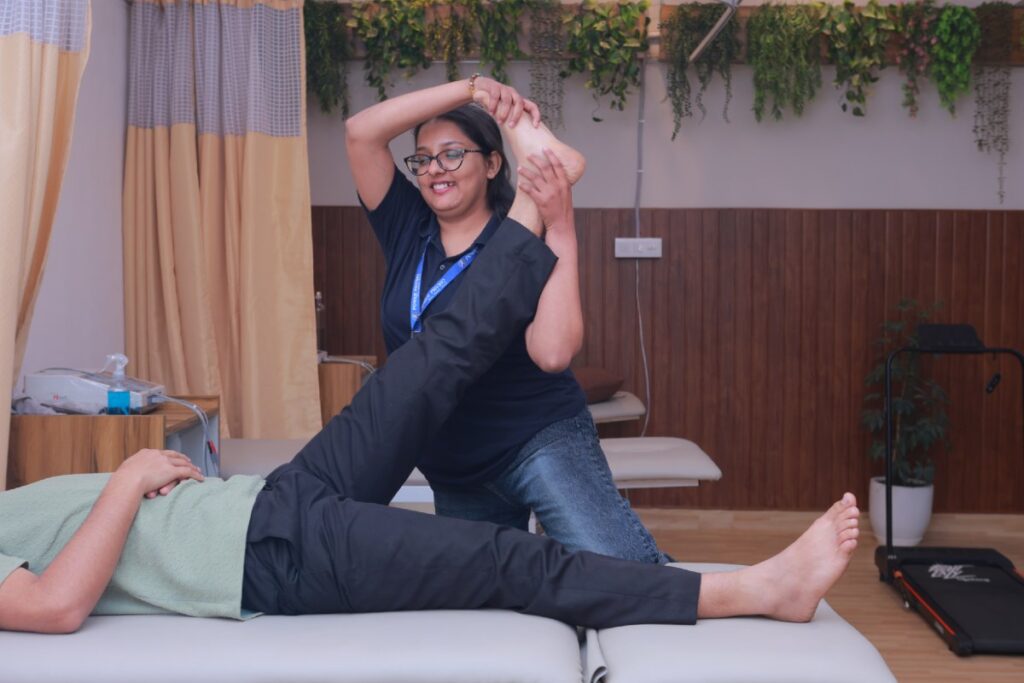
Physiotherapy for hip joint pain at Power Physio includes:
- Manual therapy, including joint mobilisation and soft tissue techniques, to reduce pain and restore movement
- Targeted strengthening focusing on the gluteal muscles, hip stabilisers and core, which research shows are consistently weak in people with hip pain
- Stretching and flexibility work to address tight hip flexors and external rotators
- Dry needling, where appropriate, which a 2025 clinical guideline update confirmed improves pain, range of motion and muscle function in hip osteoarthritis
- Gait retraining to correct altered walking patterns that develop as a result of pain avoidance
- Electrotherapy modalities, including ultrasound and TENS, for pain and inflammation management
How to Find the Right Hip Pain Treatment Near Me
Not all hip pain is the same, and not all treatment should be either. The most important first step is an accurate diagnosis.
At Power Physio, every patient begins with a thorough assessment that includes:
- A detailed history of your pain, its onset and what makes it better or worse
- A physical examination of hip mobility, muscle strength and joint behaviour
- A postural and gait assessment to identify contributing movement patterns
- Referral for imaging, where required, to confirm the diagnosis
From that assessment, your physiotherapist builds a plan that is completely specific to your condition, your body and your goals.
When Should You See an Orthopedic Doctor for Hip Pain Near Me?
You should seek professional help if:
- Hip pain has persisted for more than two to three weeks
- The pain is affecting your ability to walk, work or sleep
- You have noticed a change in the way you walk
- Pain is radiating down your leg
- The hip is giving way or feels unstable
- You have had a fall or injury that caused sudden, severe pain
Leaving hip pain unassessed allows muscle imbalances and compensatory movement patterns to become entrenched.
Research consistently shows that early physiotherapy intervention produces significantly better outcomes than delayed treatment.
How Power Physio Helps With Hip Pain in Noida
Led by Dr. Poonam Chaudhary (MPT Ortho), Power Physio has extensive experience managing hip pain across a wide range of conditions and age groups. Whether you are a young athlete with impingement syndrome or an older adult managing hip arthritis, the approach here is the same: thorough, personalised, and focused entirely on delivering lasting results.
We also treat related conditions, including knee pain, back pain and post surgical rehabilitation for patients recovering from hip replacement or hip arthroscopy.
Call us on 70113 25292 or visit our contact page to book your hip pain assessment today.
Conclusion
Hip pain affects your movement, your sleep and your quality of life in ways that go well beyond the joint itself. Understanding what is causing it, getting an accurate clinical assessment and starting the right physiotherapy for hip pain early makes a measurable difference to how fully and how quickly you recover.
If you are looking for a hip pain doctor near me in Noida who takes the time to get it right, Power Physio offers that level of care.