Muscle Pull
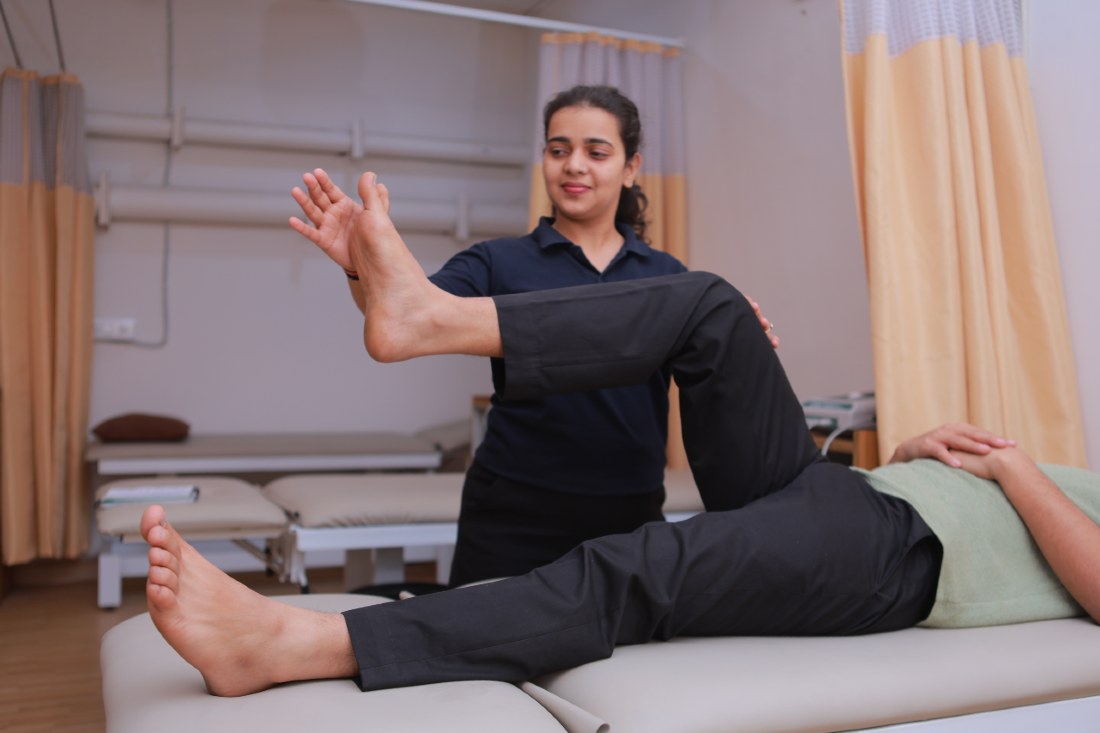
A muscle pull happens fast. One wrong movement during a sprint, a lift that was slightly too heavy, or simply turning your neck too quickly, and you feel it immediately. Sharp pain, sudden tightness, and a muscle that refuses to cooperate. For most people, the instinct is to rest for a few days and wait it out. That works for minor strains. But when the pain persists, keeps returning, or limits how you move through your day, it is telling you that rest alone is not enough. Pulled muscle treatment in Noida at Power Physio Clinic addresses muscle injuries properly, from accurate assessment of the strain grade through to full rehabilitation that restores strength and prevents recurrence. A muscle pull that is managed correctly heals completely. One that is not tends to become a recurring problem.
Symptoms of Muscle Pull
- Pain: Sudden onset of pain at the site of injury
- Swelling: Localized swelling or bruising
- Muscle Spasm: Involuntary muscle contractions or spasms
- Decreased Range of Motion: Difficulty moving the affected part
- Weakness: Reduced strength or inability to bear weight
What Is a Muscle Pull?
A muscle pull, also called a muscle strain, occurs when muscle fibres are overstretched or torn. This happens when a muscle is placed under a load greater than it can handle at that moment, whether from sudden force, fatigue, inadequate warm-up, or simply an awkward movement pattern. Muscle pulls are graded by severity:
- Grade 1: Mild overstretching with minor fibre damage. Pain is present, but the muscle retains its strength and function.
- Grade 2: Partial tear of the muscle fibres. Moderate pain, swelling and a noticeable reduction in strength.
- Grade 3: Complete muscle rupture. Severe pain, significant swelling and loss of function in the affected muscle.
The strain’s grade determines the timeline and treatment approach. This is why clinical assessment before starting rehabilitation matters.
Common Muscle Pulls Treated at Power Physio
|
Muscle Pull |
Common Cause |
Primary Symptom |
Treatment Approach |
|
Pulled Muscle in Lower Back |
Heavy lifting, sudden bending |
Sharp pain, stiffness, limited movement |
Pulled back muscle treatment, manual therapy |
|
Pulled Neck Muscle |
Sudden rotation, poor posture, and sleep position |
Stiffness, pulled neck muscle can t turn head |
Manual therapy, mobility work |
|
Pulled Muscle in Knee |
Sprinting, squatting, sudden change of direction |
Pain around the knee, weakness |
Pulled muscle in knee treatment, progressive loading |
|
Pulled Stomach Muscle |
Coughing, twisting, heavy lifting |
Pain with movement, breathing discomfort |
Pulled stomach muscle treatment, core rehabilitation |
|
Pulled Calf Muscle |
Running, jumping, sudden acceleration |
Sharp pain in the calf, difficulty walking |
Best treatment for pulled calf muscle, graded exercise |
|
Pulled Back Muscle |
Sport, lifting, prolonged poor posture |
Aching, spasm, restricted movement |
Best treatment for pulled back muscle, mobilisation |
Symptoms You Should Not Ignore
Muscle pull symptoms vary depending on the location and severity of the strain. These are the signs that need proper assessment rather than continued self-management:
- Sudden sharp pain during a specific movement or activity
- Visible swelling or bruising developing within hours of the injury
- A feeling of tightness or spasm that does not ease with rest
- Significant weakness in the affected muscle
- Pain that returns every time you resume normal activity
- A pulled neck muscle can t turn head situation that persists beyond 48 hours
- Difficulty walking, lifting or performing basic daily tasks due to muscle pain
Pulled Muscle Treatment in Noida: What Works
Effective pulled muscle treatment follows a structured process. The most common mistake is returning to full activity the moment pain reduces, which is not the same as recovery. Muscle tissue needs to be progressively reloaded to heal with full strength and flexibility.
1. Accurate Assessment and Diagnosis
Pulled muscle treatment near me at Power Physio begins with a thorough clinical assessment of the injured muscle, the grade of the strain, the structures involved and the movement patterns that contributed to the injury. A Grade 2 hamstring strain and a Grade 2 calf strain require very different rehabilitation approaches despite being the same grade of injury.
2. Acute Phase Management
In the first 48 to 72 hours following a muscle pull, the priority is protecting the injured tissue, managing pain and controlling swelling. Appropriate load protection, manual techniques to reduce spasm and therapeutic modalities support tissue healing without aggravating the damage. The cure for muscle pull does not begin with aggressive stretching of an acutely injured muscle.
3. Manual Therapy and Soft Tissue Work
Once the acute phase has settled, hands-on soft tissue techniques restore normal tissue mobility, reduce the scar tissue formation that limits flexibility during healing and address the compensatory tightness that develops in surrounding muscles. This is a critical component of pulled back muscle treatment and the best treatment for pulled back muscle protocols, where surrounding spasm often becomes as limiting as the original injury.
4. Progressive Strengthening and Loading
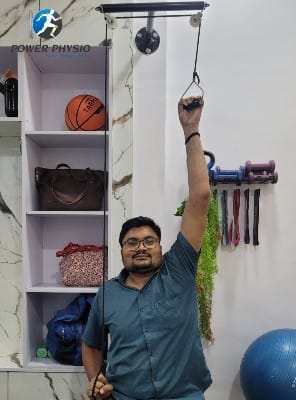
The best treatment for muscle pull is not rest followed by an immediate return to full activity. It is a carefully graded loading programme that progressively stresses the healing muscle fibres, stimulating proper repair and rebuilding the strength the muscle needs to handle normal demands again. This applies to every location, whether it is pulled muscle in knee treatment, best treatment for pulled calf muscle or pulled stomach muscle treatment.
5. Flexibility and Movement Restoration
Scar tissue that forms during muscle healing is less flexible than healthy muscle fibre. Without targeted flexibility work, the healed muscle remains stiffer than before the injury, increasing the risk of retearing at the same site. Stretching and mobility work is introduced progressively as the tissue matures through the healing phases.
6. Return to Full Activity
Clearance to return to sport, training or demanding physical work is based on the muscle’s demonstrated capacity to handle load, not on the absence of pain at rest. This distinction matters because a muscle can feel fine during daily movement and still fail under the demands of sport or heavy lifting.
Pulled Muscle in Lower Back: What Makes It Different
Pulled muscle in lower back injuries deserve specific attention because the lower back is rarely injured in isolation. The surrounding spinal joints, discs and hip structures are almost always involved in the pain picture, and the postural and movement habits that caused the strain continue to load the area during daily activity.
Pulled back muscle treatment at Power Physio addresses the muscle injury alongside contributing factors, whether that is hip tightness, core weakness, poor workstation setup or lifting mechanics that need correction. The best treatment for a pulled-back muscle always includes education on what caused the injury and what needs to change to prevent recurrence.
Pulled Neck Muscle Can T Turn Head: Getting the Right Help
A pulled neck muscle that leaves you unable to turn your head is one of the most acutely disabling muscle injuries in daily life. Driving, working, and sleeping are all immediately affected. Manual therapy to the cervical joints and surrounding muscles, combined with gentle progressive mobility work, restores rotation significantly faster than rest alone. If the restriction has persisted for more than 48 hours without improvement, it requires clinical attention rather than continued waiting.
When Should You Seek Pulled Muscle Treatment in Noida?
Do not wait if any of the following apply:
- Pain has not improved meaningfully after 48 to 72 hours of rest
- Swelling or bruising is significant or spreading
- The muscle feels completely unable to contract or bear load
- The injury is affecting your ability to work, train or perform daily tasks
- The same muscle has been pulled more than once in a short period
- Pain is worsening rather than improving after the first 48 hours
Finding pulled muscle treatment near me early following a significant strain leads to faster recovery, better tissue healing and a meaningfully lower risk of the same injury recurring.
How Power Physio Treats Muscle Pulls in Noida
Led by Dr Poonam Chaudhary (MPT Ortho), Power Physio Clinic provides evidence-based pulled muscle treatment in Noida for patients across all activity levels. Whether you are managing a pulled muscle in lower back from a heavy lift at work, a pulled calf muscle from a weekend run, or a pulled neck muscle that has left you unable to turn your head, our team conducts a thorough assessment and builds a rehabilitation plan specific to your injury, your body and your daily demands.
We treat muscle pulls across every region of the body and manage the full spectrum of strain severity from Grade 1 to Grade 3.
We also treat related conditions, including sports injuries, ligament tears, overuse injuries and back pain that commonly present alongside or following muscle pull injuries.
Call us on 70113 25292 or visit our contact page to book your muscle pull assessment at Power Physio today.
Conclusion
A muscle pull is a common injury, but it is not one to manage carelessly. Understanding the grade of your strain, following the right pulled muscle treatment in Noida, and fully rehabilitating the muscle before returning to full activity make the difference between a complete recovery and a recurring problem. Power Physio is where that recovery is done properly, from the first assessment to the final clearance.