
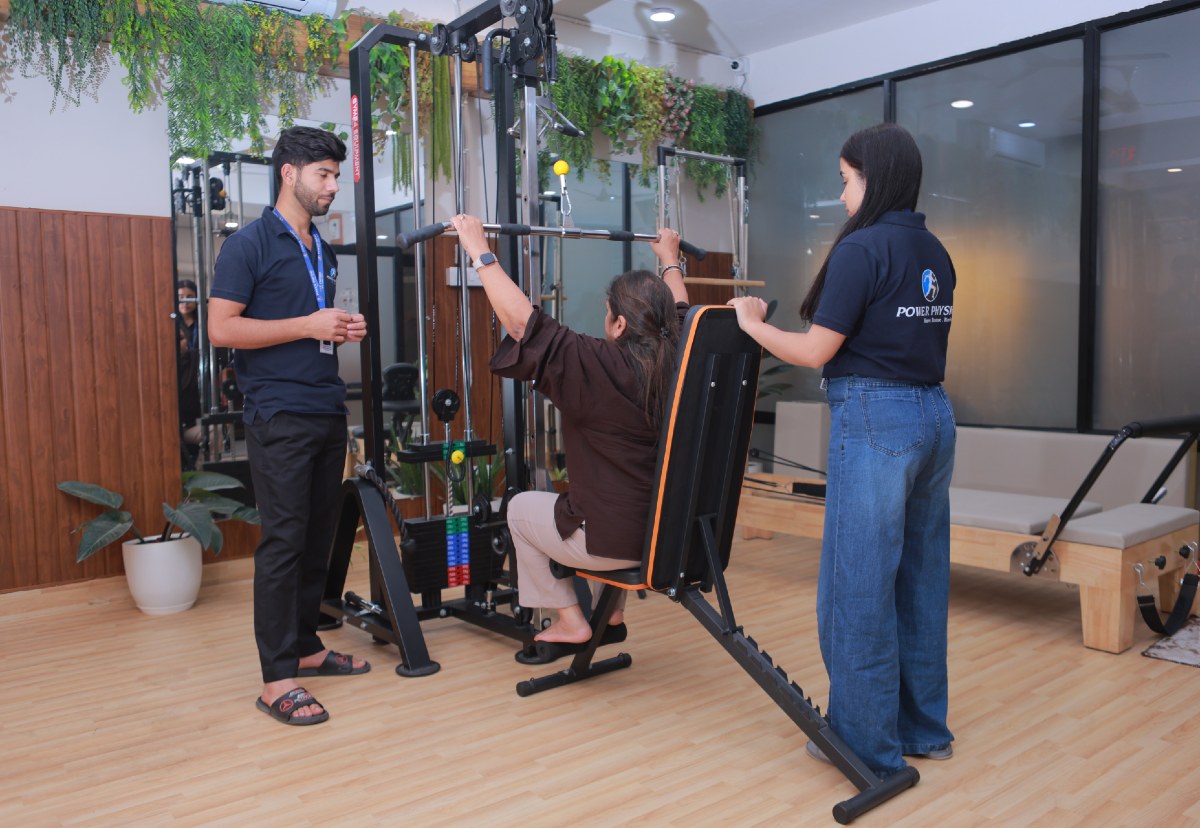
Shoulder Pain Management
Shoulder pain has a way of affecting everything. Reaching overhead, lifting, sleeping on your side, and even sitting at a desk for long periods can become genuinely uncomfortable when the shoulder is not functioning properly.
What makes shoulder pain particularly frustrating is how many everyday movements it interferes with. And yet, with the right shoulder pain physiotherapy treatment, most shoulder conditions respond very well to conservative management without the need for surgery.
At Power Physio Clinic in Noida, we get to the root of the problem before recommending anything. That is where effective recovery begins.

Causes of Shoulder Pain
Shoulder pain can arise from multiple factors, including
- Rotator Cuff Injuries
- Bursitis
- Tendinitis
- Arthritis
- Frozen Shoulder
- Dislocation
- Fractures
What Causes Shoulder Pain?
Shoulder pain can arise from multiple structures around the joint, not just the joint itself. Identifying the correct cause is the most important step toward effective treatment.
Common causes include:
- Rotator Cuff Injuries: Tears or inflammation in the rotator cuff tendons that stabilise and move the shoulder joint
- Bursitis: Inflammation of the bursa, the small fluid-filled sacs that cushion and protect the shoulder joint
- Tendinitis: Inflammation of the tendons surrounding the shoulder, frequently caused by repetitive overuse
- Arthritis: Osteoarthritis or rheumatoid arthritis leading to joint inflammation, stiffness and persistent pain
- Frozen Shoulder: Progressive stiffness and pain resulting from inflammation and scar tissue formation around the joint
- Dislocation: Partial or complete displacement of the shoulder joint from its normal position
- Fractures: Breaks in the bones of the shoulder, typically following trauma or a fall
Research shows that rotator cuff-related conditions are among the most common causes of shoulder pain in adults, accounting for a significant proportion of all shoulder presentations seen in physiotherapy clinics.
Common Shoulder Conditions and Their Root Causes
Understanding what is driving the pain helps both the clinician and the patient make better treatment decisions.
- Impingement Syndrome: Caused by repetitive overhead activity, leading to compression of the rotator cuff tendons beneath the shoulder blade
- Shoulder Instability: Resulting from dislocation or repetitive strain, causing the joint to feel loose or unreliable during movement
- Labral Tears: Damage to the cartilage ring surrounding the shoulder socket, often caused by trauma or repetitive overhead motion
- Acromioclavicular Joint Pain: Pain concentrated at the top of the shoulder, typically arising from arthritis or a previous injury to the AC joint.
What Are the Symptoms of Shoulder Pain You Should Not Ignore?
| Symptom | What It Feels Like | What It May Indicate |
| Pain | Dull ache, sharp or throbbing, worse with movement | Rotator cuff injury, bursitis or arthritis |
| Stiffness | Reduced range of motion, difficulty with daily tasks | Frozen shoulder or arthritis |
| Weakness | Hard to lift, push or carry objects | Rotator cuff tear or nerve involvement |
| Swelling | Visible tenderness around the joint | Bursitis, tendinitis or acute injury |
| Instability | Shoulder feels loose or gives way | Dislocation or labral damage |
If you are experiencing any combination of these symptoms for more than two weeks, it is time to seek physiotherapy for shoulder pain from a qualified specialist.
How Is Shoulder Pain Assessed at Power Physio?
Physiotherapy for shoulder joint pain at Power Physio begins with a structured, thorough assessment before any treatment is provided.
The assessment process includes:
- Detailed History: Understanding the onset, duration and the specific activities or movements that trigger or aggravate your shoulder pain
- Physical Examination: Evaluating shoulder mobility, strength and identifying which movements reproduce your pain
- Diagnostic Imaging: Referral for X-rays, MRI or ultrasound where required to confirm the structural nature of the condition
This foundation ensures that every subsequent treatment decision is clinically justified and specific to your condition, rather than a generalised programme applied without proper investigation.
Shoulder Pain Physiotherapy Treatment: What Does It Include?
At Power Physio, shoulder pain physiotherapy treatment is built entirely around your diagnosis, lifestyle, and recovery goals.
Treatment approaches include:
- Manual Therapy: Joint mobilisation, soft tissue manipulation and myofascial release applied directly to reduce pain and restore shoulder mobility
- Exercise Therapy: Individually designed strengthening and stretching programmes to rebuild shoulder function and significantly reduce the risk of future injury
- Electrotherapy Modalities: Evidence-based use of ultrasound, electrical stimulation and heat therapy to reduce pain intensity and manage inflammation effectively
- Postural Correction: Identifying and addressing the postural habits and ergonomic factors that are actively contributing to shoulder pain and dysfunction
- Patient Education: Practical guidance on activity modification and the body mechanics required to protect the joint long-term
Can Shoulder Pain Physiotherapy Treatment Be Done at Home?
For patients who are unable to attend the clinic regularly, Power Physio offers structured home care sessions that bring the same standard of clinical care directly to you.
Shoulder pain physiotherapy treatment at home is particularly beneficial for patients in the early stages of recovery, those managing post-surgical shoulder rehabilitation or individuals with mobility constraints that make travelling to the clinic difficult.
If you have been searching for physiotherapy for shoulder pain near me that does not require a clinic visit, we can arrange a home session from your very first point of contact. The quality of care is identical to what you would receive in the clinic.
When Should You Seek Physiotherapy for Shoulder Pain?
Do not wait if any of the following apply:
- Shoulder pain has persisted for more than two to three weeks
- Pain is waking you up at night or preventing you from sleeping on the affected side
- You have noticed a significant weakness or cannot lift your arm above shoulder height
- The shoulder feels unstable or has previously dislocated
- Pain started after an injury, fall or accident
- You are taking pain medication regularly just to manage the discomfort
Research is consistent on this point. Early intervention for shoulder pain yields significantly better outcomes than delayed treatment, particularly for conditions involving the rotator cuff and bursa, where prolonged inflammation can lead to structural changes that are harder to reverse.
How Power Physio Helps With Shoulder Pain in Noida
Led by Dr. Poonam Chaudhary (MPT Ortho), the team at Power Physio has extensive experience managing shoulder pain across a full range of presentations, from acute sports injuries and workplace strains to frozen shoulder and post-surgical rehabilitation.
Every physiotherapy case for shoulder joint pain is assessed thoroughly, treated individually and monitored closely as recovery progresses. The goal is always full restoration of function, not just temporary pain relief.
We also treat conditions that commonly accompany shoulder pain, including neck pain, back pain, sports injuries and post-surgical rehabilitation.
Call us on 70113 25292 or visit our contact page to book your shoulder pain assessment today.
Conclusion
Shoulder pain is common, but it is not something you have to push through simply. Understanding the cause, recognising the symptoms early and starting the right shoulder pain physiotherapy treatment makes all the difference to how quickly and how fully you recover.
Whether you need clinic-based care or physiotherapy for shoulder pain near me at home, Power Physio is here to deliver the standard of treatment your shoulder deserves.